
Black and White Magic Day 7
Hi and welcome to Day 7 of our Black and White Magic online class.
Today we are going to start looking at a few tools you can use to tweak your Black and White images to perfection. So far we have covered many ways to convert images to Black and White but quite often the simple conversion still lacks a little “something” and with a little judicious use of a few other tools we can lift those mono conversions to new heights. The two techniques we will check out today are the Dodge and Burn tools and using Curves and Levels adjustment layers.
There are three videos to watch. Two will address using the Dodge and Burn tools in sightly different styles of edits and the third video will look at using Curves and Levels adjustment layers and how painting on the adjustment layer masks can give you added power to concentrate your editing.
Curves adjustment layers are not available in Elements, so you will need to use the Levels Adjustment which works extremely well for tweaking the contrast in your images.
PROJECT FILES AND PDF MATERIAL are AVAILABLE FOR DOWNLOAD HERE
.png)
Tech Talk
Having established the Three Elements of control in the Photography triangle -Aperture, Shutter Speed and ISO……. What if we can’t manage a good exposure when applying camera settings that we want and know will deliver a desired result?
Enter the trusty Tripod! Yep that thing that you knew you HAD to have when you bought your camera but for the most part sits behind the coats and old shoes gathering dust in the closet. Too hard to mess with, too time consuming…..
Too bad !!! …… because getting familiar with your tripod will add another dimension of control to your photography.
When do we want to use a tripod?
When Shooting with Longer Lenses
If you planning on taking some long as well as wide angle lenses out shooting with you beware, as they tend to be more prone to camera shake – so having a tripod will keep your shots sharp when shooting with a long lens.
Blurry Water
If you’re planning on taking photos that turn the movement of waterfalls, rivers and waves into smooth soft pools, you’ll need to shoot at slower shutter speeds. The problem with slower shutter speeds is they’re not a great choice when working hand-held as you have to stay very still to stop shake and if you don’t, blur will creep into your shot. However, stick your camera on a tripod and you can set shutter speeds that are many minutes long and shake won’t be a problem.
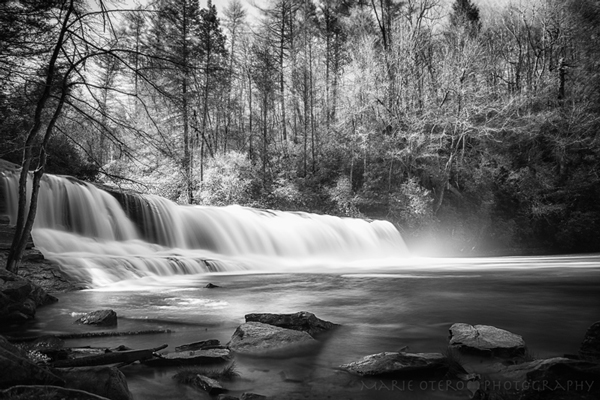 These waterfalls were shot at f4.0, 15secs, ISO 100 on a tripod.
Low Light
Shooting at sunrise, sunset or during the night so you can capture a sky full of stars or mess with light painting, or shooting in the early dawn, requires the use of slower shutter speeds, which, as mentioned, means you’ll have to use a tripod as working hand-held can result in shake spoiling your shot. You can try nudging your ISO up to increase your shutter speed but as we have already discussed this may be at the price of introducing a lot of grain to your image.
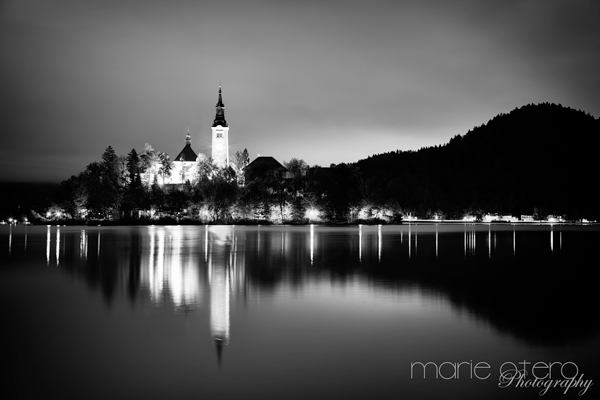 4am at Lake Bled in Slovenia. Not much light to be found then!! This image was shot at f5.6, 30secs, ISO400 on a tripod.
Small Apertures for Increased Depth of Field in Macro Photography
Increasing your depth of field to find strong detail in macro photography means closing your Aperture down to a point where often you will need a very slow shutter speed, too slow to hand hold. Using a tripod in Macro photography is almost a must to capture tht super detail throughout the image.
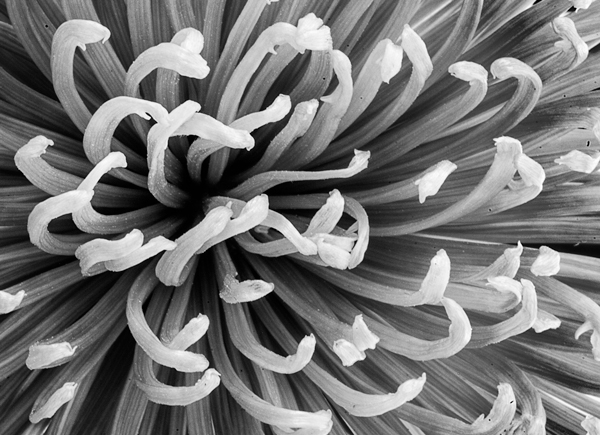 Chrysanthemum, shot at f32, 25secs, ISO 100
Multiple Exposures
If you’re shooting a scene where the camera can’t handle all of the different exposure levels present, you may want to try shoot a series of separate (bracketed) shots that each focus on the dark, middle and light parts of the image which are then combined to create one balanced exposure. This is commonly referred to as shooting HDR (High Dynamic Range) images and you can use Photoshop or 3rd party software to convert your three bracketed exposures into one.
 Three images shot, +3 EV, 0, -3EV (where EV is exposure compensation) @ f5.0, 1/60sec, ISO 640
Other instances where using a tripod might be useful include:
Windy weather, again to support your camera and eliminate camera shake;
If you are shooting Panoramas, working with a tripod will help you keep a steady horizontal plane which will make stitching your images together in Photoshop easier;
As a support in tricky situations – say where you want to shoot at a rocky coastline or other landscape locations and using a tripod will relieve you of having to support the camera.
.png)
SHOOTING ASSIGNMENT #7
Blow the cobwebs off your tripod and have a go at taking some pictures with it. You can either experiment shooting in low light and decrease your shutter speed to catch a good exposure, or have a go at shooting some still life or MACRO using a long strong depth of field and FIND that detail in your subject.